

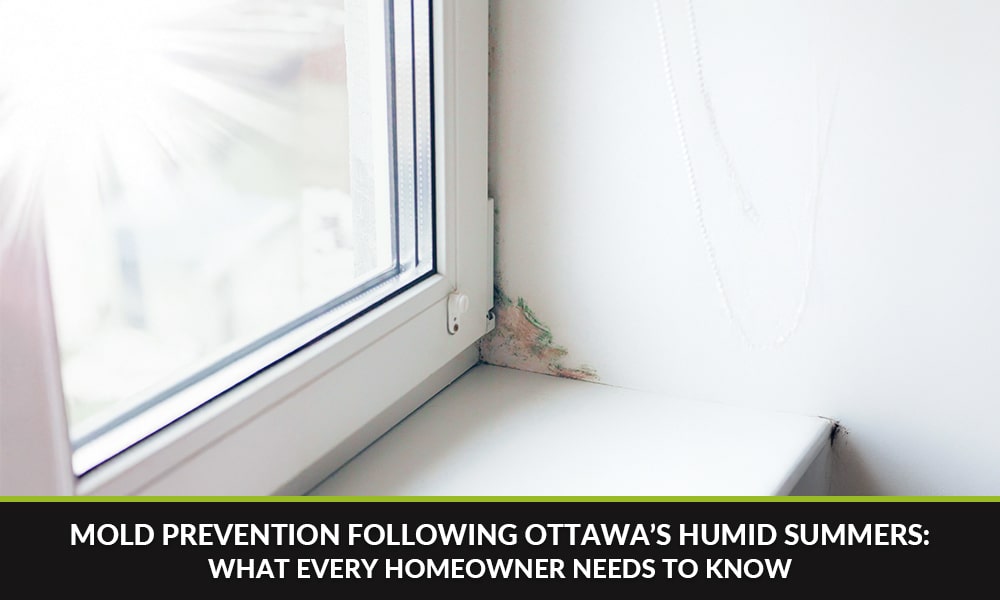
Ottawa’s humid summers create the perfect breeding ground for mold, a hidden threat that can quietly spread through basements, attics, bathrooms, and beyond. Left unchecked, mold doesn’t stop at damaging your property; it also poses serious health risks and can lower the value of your home. This blog explores why Ottawa’s climate makes homeowners in this city especially vulnerable. We cover the most common areas where mold hides and the health dangers associated with prolonged exposure. You’ll also find a comprehensive Mold Prevention Checklist with practical daily, seasonal, and annual tips to keep your home safe. Finally, we’ll walk you through Go Pro Restoration’s expert mold remediation process, designed to eliminate mold at its source and restore your home to a clean, healthy environment.
When Humidity Turns Homes into Mold Havens
As much as Ottawa residents love the sunshine and patio season, they know that summer also brings intense, sticky humidity that clings to the air long after the heatwave ends. Unlike coastal regions, where ocean breezes can provide relief, Ottawa’s landlocked geography traps moisture in the air. While you wipe away the summer sweat from your brow, a silent intruder is lurking inside your home’s perfectly nurturing environment: mold.
Imagine this common scenario: a family’s basement floods during the spring thaw. After draining the standing water, the surface feels dry, and life returns to normal. But weeks later, faint musty odours creep in. Small dark patches begin appearing on the drywall. What’s the issue here? Moisture has seeped deep into hidden building materials, providing the fuel that mold spores need to grow and spread.
While flooring can be changed and walls painted over, this isn’t just an aesthetic issue. Mold can be dangerous to your health and damaging to your home. The Government of Canada cautions that prolonged mold exposure can lead to coughing, asthma, and allergic reactions, especially in children, the elderly, and those with compromised immune systems. Pets aren’t immune either, as mold spores circulating in the air can trigger respiratory irritation in animals as well.
For Ottawa homeowners, mold prevention means more than good housekeeping. It’s a matter of protecting your family’s health, safeguarding your property value, and avoiding costly future repairs. With high summer humidity, post-flood dampness, and the challenges of older housing stock with limited ventilation, preventing mold requires vigilance and proactive steps.
In this blog, we’ll explore:
- How Ottawa’s climate creates ideal conditions for mold growth.
- The most common areas where mold hides in your home.
- The serious health risks associated with exposure.
- A Mold Prevention Checklist you can start using today.
- How Go Pro Restoration’s certified mold remediation process provides long-term peace of mind.
Reading through this article, you’ll know not only how to spot and prevent mold, but also when it’s time to call in the experts for professional mold removal.
Understanding Mold Growth in Ottawa Homes
While in many other cities, mold appears to be a seasonal nuisance, in Ottawa, it’s a recurring problem tied directly to our climate and building conditions. To understand how to prevent mold, it’s important to first understand why our region is so vulnerable.
1. Ottawa’s Summer Humidity Levels
Ottawa’s humid climate features long winters followed by hot, moisture-laden summers. According to Environment Canada, the city’s average July humidity hovers between 70–80%, with dew points often exceeding 20°C. At these levels, even well-ventilated homes can struggle with keeping indoor air sufficiently dry.
When humidity lingers above 60% indoors, mold spores begin to thrive. Unlike dust or dirt, mold doesn’t need much to survive, just a little moisture and an organic food source like drywall paper, wood framing, or even household dust. Once conditions are right, mold can colonize a damp surface in as little as 24 to 48 hours.
2. Post-Spring Flooding and Basement Conditions
Every spring, the Ottawa River and its tributaries swell with runoff from snowmelt and seasonal rainstorms. Even homeowners who avoid major flooding often experience basement seepage. Cracks in foundations, poor drainage, or high groundwater levels can allow small but persistent leaks into concrete floors and walls.
Concrete may appear dry to the touch, but it is porous; it absorbs and holds moisture like a sponge. This hidden dampness creates the perfect breeding ground for mold behind finished basement walls or under carpets and laminate flooring.
In newer subdivisions, sump pumps help manage water intrusion, but they can fail during storms or power outages. In older homes, the lack of modern drainage systems makes basements particularly susceptible.
3. Ventilation Challenges in Ottawa Homes
Ottawa has a diverse mix of housing, from century-old Victorians in Centretown to 1970s bungalows in Nepean and newer builds in areas like Barrhaven. Each type comes with its own vulnerabilities:
- Older Homes: Built before modern building codes were defined, these structures often lack sufficient insulation and proper airflow. Closed-off basements and attics with limited ventilation trap moist air, encouraging mold growth in hidden corners.
- Newer Homes: While better insulated, they are often more airtight, which ironically makes ventilation harder. Without mechanical systems like HRVs (heat recovery ventilators), humidity can accumulate quickly indoors.
- Condos and Multi-Unit Buildings: Shared ventilation systems and plumbing leaks can spread mold issues across units if not addressed promptly.
4. The “Perfect Storm” for Mold in Ottawa
To summarize, mold in Ottawa homes usually follows a predictable pattern:
- Spring: Snowmelt and flooding leave behind moisture in basements.
- Summer: High humidity and poor ventilation accelerate mold growth.
- Fall: Cool nights cause condensation on windows and basement walls.
- Winter: Warm indoor air meets cold attic surfaces, leading to condensation and attic mold.
Understanding these cycles helps homeowners anticipate when and where mold problems are most likely to arise, and take preventative action before they spiral out of control.
Where Mold Commonly Grows in Ottawa Homes
Mold is opportunistic; it only needs moisture, warmth, and an organic surface to thrive. Unfortunately, these conditions exist in almost every Ottawa home at some point during the year. Knowing the most common hiding spots can help homeowners catch mold before it spreads into a serious problem.
- Bathrooms and Laundry Rooms
Bathrooms are among the most common mold hotspots, and with good reason. Daily showers release steam that clings to walls, ceilings, and grout lines. Without proper exhaust ventilation, this moisture lingers, creating the damp environment mold needs to colonize.
- Tile Grout and Caulking: Tiny pores in grout and silicone around tubs and sinks easily trap water. Over time, black mold often appears as dark staining in these areas.
- Ceilings and Drywall: Poorly ventilated bathrooms allow steam to rise and condense on ceilings, particularly above showers.
- Laundry Rooms: Washing machines, utility sinks, and dryers produce both water and humidity. Mold often forms behind appliances where leaks and condensation go unnoticed.
- Basements and Cold Storage
Basements are especially prone to mold in Ottawa due to flood risk, high groundwater levels, and poor airflow. Even if water damage isn’t obvious, moisture often seeps through foundation walls.
- Behind Finished Walls: Mold can grow undetected on insulation and drywall for months before odours or visible patches appear.
- Carpets and Underpadding: Once wet, basement carpets may never fully dry, trapping mold and bacteria underneath.
- Cold Storage Rooms: These spaces, mostly unheated and unventilated, maintain cooler temperatures that encourage condensation on walls, creating an ideal breeding ground for mold spores.
- Attics and Roof Insulation
Mold in attics usually goes unnoticed until a major renovation or home inspection reveals it. Ottawa’s temperature swings make attics particularly vulnerable.
- Poor ventilation and insulation make attics vulnerable to moisture buildup, which can quickly lead to hidden mold on roof sheathing and insulation.
- Blocked Vents: Insulation or debris covering soffit vents prevents proper airflow, allowing humidity to build.
Unchecked attic mold can damage roof sheathing and insulation and even compromise indoor air quality if spores migrate downward.
- Windowsills and Frames
Windowsills and frames frequently trap condensation, which damages wood and provides an ideal setting for mold growth.
- In Summer: Humid outdoor air meets cooler, air-conditioned glass surfaces, creating condensation.
- In Winter: The opposite occurs—warm indoor air condenses on icy glass and wood frames.
Over time, this moisture damages wood frames and creates conditions for mold to flourish. Even vinyl windows are not immune; condensation can collect on seals and sills, leading to mold staining and deterioration.
- Kitchens and Food Prep Areas
Kitchens combine plumbing, heat, and organic material, making them ideal environments for mold if problems go unchecked for a long time.
- Under Sinks: Small leaks in pipes or fittings may drip slowly, saturating cabinets over time. Mold growth may begin behind cupboards, out of sight.
- Dishwashers: These appliances can leak underneath or at the seal, keeping flooring and subfloor materials damp.
- Refrigerator Drip Pans: Hidden beneath most fridges, these pans collect condensation and can become a mold hotspot if not cleaned regularly.
Persistent moisture under appliances can quickly turn into a hidden hazard. Protect your home with our water damage restoration service before the mold takes hold.
- Other Overlooked Areas
Beyond the obvious rooms, mold also appears in less-considered spaces:
- HVAC Systems: Dust and moisture inside ducts provide food and shelter for mold, which then spreads spores throughout the house.
- Closets Against Exterior Walls: Clothes and boxes can block airflow, leading to dampness and mold behind stored items.
- Garages and Mudrooms: Snow, rainwater, and road salt tracked inside contribute to damp conditions.
The key takeaway: Mold tends to hide where water meets poor ventilation. Bathrooms, basements, attics, and kitchens are the most obvious risk zones, but as a vigilant homeowner, you must check lesser-seen areas too.
Mold Health Risks Every Homeowner Should Know
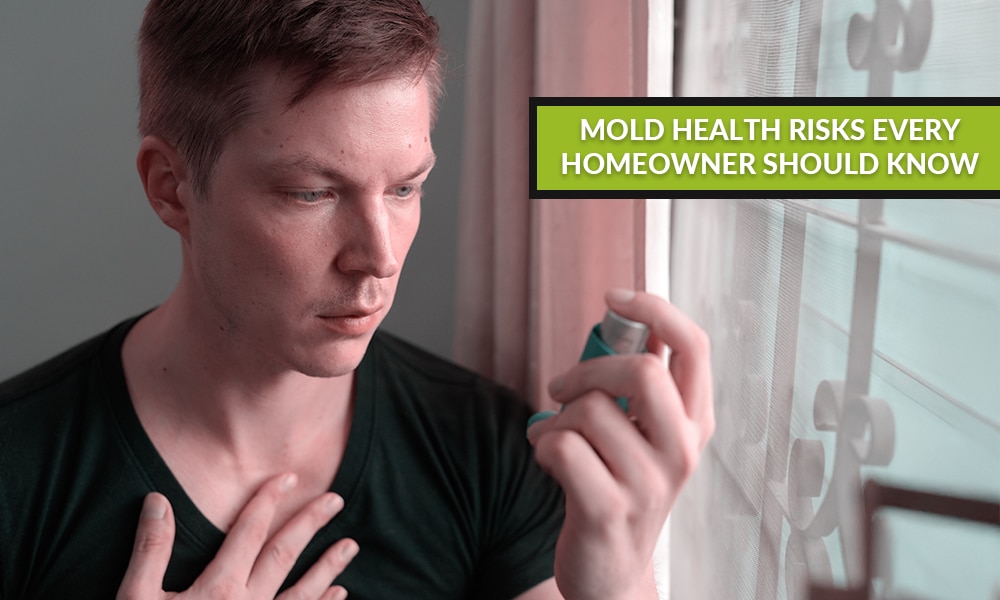
Mold is unsightly, and it may sometimes smell bad too. Beyond the sensory unpleasantness though, it is a real health hazard that shouldn’t be ignored. Below is a detailed, evidence-backed look at how mold affects different household members, along with authoritative guidance from Health Canada.
1. Respiratory Irritation and Allergy Symptoms
Health Canada notes that indoor mold exposure can cause irritation of the eyes, nose, and throat, as well as symptoms like sneezing, coughing, and wheezing. It can exacerbate asthma and other respiratory conditions.
Common symptoms to watch for include:
- Persistent coughing, chest tightness, or wheezing
- Runny nose, sneezing, or throat irritation
- Red, itchy, or watery eyes
2. Long-Term Effects and Chronic Conditions
While short exposures might cause mild irritation, longer exposure can lead to more serious outcomes:
- Chronic sinusitis and recurring respiratory infections
- Skin rashes or flare-ups, particularly in sensitive individuals
- Fatigue, headaches, and difficulty concentrating, symptoms linked to prolonged mold exposure
Certain molds, like Stachybotrys chartarum (commonly known as black mold), may produce mycotoxins, harmful compounds that pose greater risk to those with weakened immune systems.
3. Children, Seniors and Immunocompromised Individuals
Health Canada highlights that infants, children, seniors, pregnant individuals, and those with asthma or other respiratory conditions are at greater risk from mold and damp environments. Children are particularly vulnerable since their lungs are still developing. Recognizing signs like frequent coughing or asthma-like symptoms that improve when away from home can be a crucial indicator of hidden mold.
4. Pets and Other Household Members
Pets are exposed too, as they spend most of their time near the floor, where spores settle in carpets and rugs. Signs of mold exposure in pets can include:
- Sneezing, coughing, or lethargy
- Loss of appetite or skin irritation
5. Indoor Air Quality and Spore Spread
Mold spores become airborne and travel easily through HVAC systems, settling throughout the house and reducing overall indoor air quality. Even if mold visibly seems contained in one area, the spores can still affect your entire home.
Health Canada’s Recommendations and Resources
Health Canada clearly states that no level of indoor mold growth is considered safe, and immediate remediation is advised, regardless of mold type or colour.
Their resources outline essential steps homeowners should take, like drying out moisture within 48 hours, using protective gear (e.g., N95 mask, gloves, goggles), and consulting professionals for larger problem areas.
Mold Prevention Checklist
Preventing mold growth in Ottawa homes isn’t about a single fix; it’s about consistent habits and seasonal vigilance. By incorporating the following checklist into your routine, you can dramatically reduce your risk of mold problems, even during the city’s most humid summers.
Daily Habits
- Run bathroom exhaust fans during showers and for at least 20 minutes afterward.
- Turn on kitchen range hoods while cooking, especially when boiling or frying.
- Wipe away condensation from windows and mirrors.
- Keep interior doors open to promote airflow between rooms.
- Immediately clean and dry spills, particularly on carpets and rugs.
Weekly Tasks
- Wash and thoroughly dry bathroom mats, shower curtains, and towels.
- Check under sinks and around toilets for leaks or dampness.
- Clean kitchen drip trays (fridge, stove, dishwasher) to prevent unnoticed buildup.
- Vacuum with a HEPA filter vacuum to capture spores and dust.
- Run a dehumidifier in dampness-prone areas (e.g., basements, laundry rooms).
Monthly Maintenance
- Inspect and clean HVAC filters; replace them if they are dirty.
- Check dehumidifiers, sump pumps, and air exchangers to ensure they are functioning optimally.
- Open storage closets and cold rooms for air circulation.
- Inspect windowsills, sliding door tracks, and basement corners for early signs of mold.
Seasonal Tasks
Spring
- Inspect basement walls and floors after snowmelt for dampness or seepage.
- Test sump pumps before heavy spring rains.
- Clear gutters and downspouts to prevent water from pooling near foundations.
Summer
- Keep indoor humidity below 50% using dehumidifiers and air conditioning.
- Open windows during dry days but close them during humid or rainy weather.
- Inspect attics for condensation or water staining.
Fall
- Seal cracks in foundations or exterior walls before freeze-thaw cycles begin.
- Check roof shingles and flashing for vulnerabilities before snow arrives.
- Clean dryer vents to prevent excess humidity in laundry areas.
Winter
- Monitor attics for frost buildup that can melt and cause hidden mold.
- Use a humidifier cautiously, and avoid setting indoor humidity above 40%.
- Watch for condensation on windows and wipe frames regularly.
Annual To-Dos
- Schedule a professional inspection of your attic, basement, and HVAC system.
- Have ducts cleaned to reduce airborne spores.
- Replace any carpet or flooring in areas that have experienced repeated dampness.
- Inspect insulation in attics and crawlspaces for signs of moisture damage.
Recommended Tools for Prevention
- Hygrometer: A simple, inexpensive tool that measures humidity levels in each room.
- Water Leak Sensors: Place near sump pumps, laundry machines, and water heaters.
- Dehumidifiers: Essential for basements and cold storage during humid summers.
- Air Exchangers (HRVs/ERVs): Help balance fresh air intake with indoor humidity control.
- HEPA Air Purifiers: Use in bedrooms or living areas to reduce airborne spores.
Eco-Friendly Prevention Tips
- Use natural cleaners like vinegar or baking soda for small mold-prone surfaces.
- Opt for low-VOC paints with mold-resistant additives in bathrooms and basements.
- Consider houseplants that help regulate humidity, like Boston ferns or peace lilies (just avoid overwatering).
Pro Tip for Ottawa Homeowners: If you notice mold reappearing in the same spot despite cleaning, the issue isn’t surface-level; it’s likely hidden moisture. This is the time to call in professionals before the problem spreads.
Go Pro’s Expert Mold Removal Process
When mold takes hold, prevention alone isn’t enough. While DIY methods may remove visible mold temporarily, they leave behind spores and hidden colonies that quickly return. At Go Pro Restoration, we follow a proven, science-based remediation process designed to eliminate mold at its source and keep it from coming back.
Here’s how our certified specialists handle mold remediation in Ottawa homes:
1. Comprehensive Site Inspection and Moisture Mapping
Our process begins with a thorough on-site assessment:
- We use advanced moisture detection equipment (thermal imaging cameras, hygrometers, and pin moisture meters) to uncover hidden dampness behind walls, under flooring, and in ceilings.
- We provide homeowners with a clear, detailed remediation plan, so there are no surprises.
2. Containment and Negative Air Pressure Systems
Once we have mapped the affected areas, we set up strict containment protocols:
- The contaminated space is sealed off with polyethylene sheeting to prevent cross-contamination.
- Negative air machines equipped with HEPA filters create suction that prevents mold spores from spreading to clean areas of the home.
- This step protects your family and keeps unaffected areas safe.
3. HEPA Filtration and Air Scrubbing
We continuously filter the air within the containment zone using industrial-grade HEPA scrubbers:
- These machines remove 99.97% of airborne particles, including mold spores, dust, and allergens.
- Air scrubbers run throughout the project, ensuring clean air and safe conditions during and after remediation.
4. Eco-Friendly Mold Remediation and Safe Removal
Once containment is secured, our technicians remove contaminated materials and treat affected areas:
- Porous materials (like drywall, insulation, and carpet) that cannot be fully cleaned are carefully removed and disposed of.
- Non-porous and semi-porous surfaces (like framing studs, concrete, and tile) are cleaned and treated with eco-friendly cleaning agents designed for safe, effective remediation.
- Specialized vacuums with HEPA filters are used to capture residual spores.
5. Structural Restoration and Repairs
If mold has damaged walls, flooring, or insulation, we provide full restoration services:
- Replacing drywall, insulation, or flooring as needed.
- Repainting with mold-resistant coatings.
- Restoring your home to a safe, livable condition.
6. Final Testing and Quality Assurance
Once remediation is complete, we conduct a final inspection:
- Moisture levels are re-tested to ensure the source of the problem is eliminated.
- We walk homeowners through the completed work and provide preventative recommendations.
7. Preventative Guidance and Ongoing Support
We don’t just leave once the mold is gone. We make sure to equip you with knowledge and tools to prevent recurrence of this dangerous problem in your home:
- Guidance on ventilation improvements and humidity control
- Recommendations for maintenance (e.g., sump pump care, HVAC filters, dehumidifier use)
- Support with insurance claims, if applicable, to make the process as stress-free as possible
The Go Pro Difference
- Local Expertise: Our team understands Ottawa’s unique climate challenges, from humid summers to icy winters, and tailors solutions accordingly.
- Professionals: Our specialists follow strict industry guidelines and best practices for safe remediation.
- Eco-Safe Approach: We prioritize family-safe, environmentally conscious solutions.
- Fast Response: With same-day inspections and 24/7 emergency service, we respond before mold can spread.
At Go Pro Restoration, mold removal doesn’t mean “clean up and go”! Our end goal is restoring your peace of mind with a process that’s thorough, safe, and designed for Ottawa homes.
When to Call the Experts
DIY mold cleaning can work for small surface patches, but professional intervention is crucial when:
- The affected area is larger than 10 square feet.
- Mold has penetrated drywall, insulation, or flooring.
- There are recurring water leaks or moisture problems.
- Family members experience persistent respiratory symptoms.
- You suspect toxic black mold or asbestos nearby (common in older Ottawa homes).
Go Pro Restoration offers same-day inspections across Ottawa, from Barrhaven to Orleans, Kanata to Rockland.
When to Call the Experts
Ottawa homeowners face unique challenges when it comes to mold. Humid summers, aging housing stock, and seasonal flooding create conditions where mold thrives. Left unchecked, it can harm your health, reduce property value, and cause long-term structural damage.
By following prevention strategies, staying alert to warning signs, and knowing when to call in experts, homeowners can safeguard their families and properties.
At Go Pro Restoration, we remove mold, and we remove the stress from your mind. With fast response times, certified technicians, and eco-safe solutions, we help families, property managers, and new homeowners live in safe, healthy, mold-free and mold-resistant environments.
Call Go Pro Restoration today at 613-221-9900 for a same-day mold inspection. Spots fill quickly!
Protecting Ottawa Homes Year-Round
Ottawa homeowners face unique challenges when it comes to mold. Humid summers, aging housing stock, and seasonal flooding create conditions where mold thrives. Left unchecked, it can harm your health, reduce property value, and cause long-term structural damage.
By following prevention strategies, staying alert to warning signs, and knowing when to call in experts, homeowners can safeguard their families and properties.
At Go Pro Restoration, we remove mold, and we remove the stress from your mind. With fast response times, certified technicians, and eco-safe solutions, we help families, property managers, and new homeowners live in safe, healthy, mold-free and mold-resistant environments.
Call Go Pro Restoration today at 613-221-9900 for a same-day mold inspection. Spots fill quickly!


